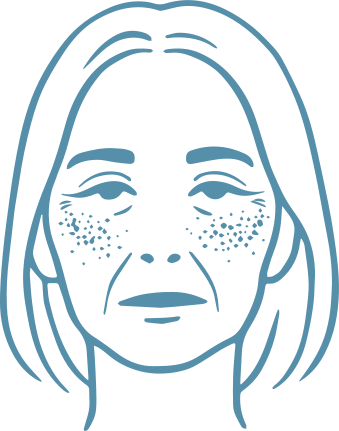
Melasma is a persistent form of pigmentation that often develops gradually and can fluctuate over time. Because it’s influenced by internal and external factors, managing melasma typically requires patience, consistency, and a carefully guided approach rather than aggressive treatment.


Melasma appears as symmetrical patches of brown or gray-brown pigmentation, most commonly on the cheeks, forehead, upper lip, and jawline. It differs from other pigment concerns in that it often forms deeper within the skin.
The appearance and severity of melasma can vary and may change with seasons or hormonal shifts.
Melasma is strongly influenced by hormonal changes, including pregnancy, birth control use, and other endocrine shifts. Sun exposure is a major trigger and can significantly worsen pigmentation.
Because melasma involves deeper pigment pathways, it often requires a more cautious and controlled treatment strategy.

Click the cards to learn more