Changes in skin tone are common and often influenced by sun exposure, hormones, or inflammation. Hyperpigmentation can show up gradually over time, and treating it well requires patience, consistency, and a personalized approach.


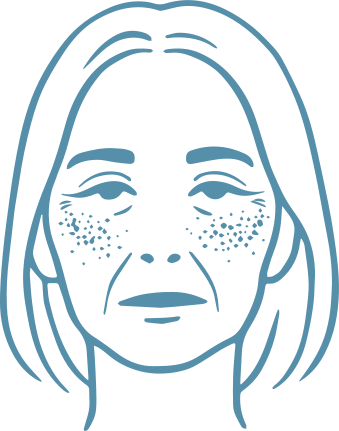
Hyperpigmentation refers to areas of skin that appear darker than the surrounding tone due to excess melanin production. It can show up as sun spots, post-acne marks, or more diffuse patches that develop gradually.
While hyperpigmentation is incredibly common, it isn’t one-size-fits-all. The way it appears—and how it responds to treatment—depends on factors like skin type, lifestyle, and underlying triggers.
Pigment changes can be influenced by a number of factors, often working together. Sun exposure is one of the most common contributors, as UV light stimulates melanin production. Hormonal shifts, inflammation from acne or irritation, and genetics can also play a role.
Because hyperpigmentation develops over time, addressing it often means looking beyond surface-level solutions and supporting the skin more thoughtfully.

Click the cards to learn more