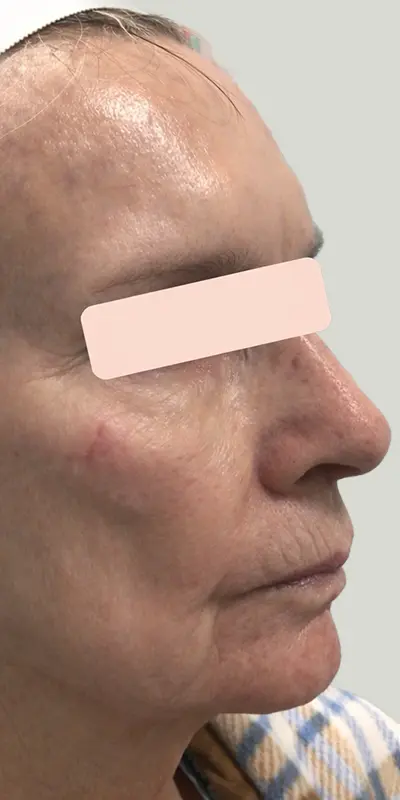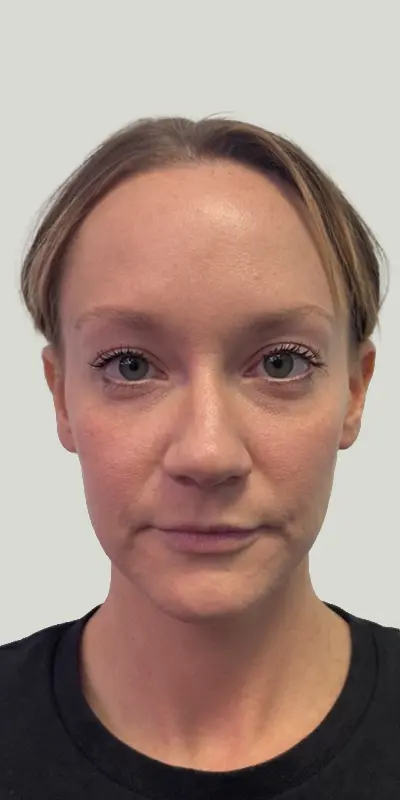
Hollow-prone area shaped by bone and soft tissue; volume changes here can affect facial balance and eye support.


The temples play an important role in framing the upper face and supporting the brow and eye area. With age, bone resorption and fat pad loss can create hollowing, altering facial contour and balance.
Because temple volume loss often occurs gradually, its impact may go unnoticed until it affects brow position or creates a more skeletal appearance. Genetics and weight changes can further influence how pronounced this hollowing becomes.
Click the cards to learn more about a concern and our approach to treatments.